Rent, Drive, and Recharge Across Borders
Today we explore cross-border electric road trips with rentals, focusing on insurance that genuinely protects you and charging access that simply works on either side of a frontier. Expect practical details, frank stories, and road-tested checklists to make each border a gateway, not a barrier. Share your route, ask questions, and subscribe for fresh itineraries, charging updates, and honest guidance shaped by real travelers’ wins and lessons.
From Keys to Kilowatts: Planning a Seamless Border-Hop
Preparation transforms uncertainty into momentum. Confirm the rental’s cross-border permission in writing, understand powertrain specs, and gather documents before wheels roll. Build a route around rest, food, and reliable fast charging, while leaving time to wander. Test the car’s charging card locally, preload apps with roaming, and set expectations about range, weather, and hills so surprises turn into stories, not stress.
Paperwork That Opens Gates
Bring a valid driver’s license, passport, and if required, an International Driving Permit matching your license class. Keep the rental agreement, a letter confirming cross-border authorization, and proof of insurance handy. Some borders recognize a Green Card as liability evidence; confirm whether your rental or personal policy provides it. Store roadside assistance numbers, and carry reflective vests and a warning triangle where mandatory.
Rental Agreement Fine Print
Read restrictions before you fall in love with a map. Some agencies exclude specific countries, limit mileage, or charge international drop-off fees. Note battery return policy, idle fees at chargers, cable replacement costs, and policies for damage while charging. Ensure roadside assistance covers every country you enter. Photograph pre-existing marks, verify tire condition, and confirm included adapters to prevent disputes and keep momentum cheerful.
Insurance Without Surprises on Foreign Roads
Insurance should feel like a harness, not a riddle. Clarify liability limits, territory coverage, and proof recognized at borders. Understand what happens if a cable is stolen, a charger damages the connector, or downtime fees appear. Ask for exact exclusions in plain English, confirm deductibles, and consider upgrades that shrink excess. Keep all policy documents accessible offline so help arrives as fast as you need it.
Liability and the Green Card
Third-party liability is essential, but limits vary by country. Within many European Economic Area borders, proof is integrated, while several neighboring countries still request a Green Card. If your route touches non-EEA nations, consider frontier insurance. Confirm your rental’s liability remains valid across all planned borders and keep printed or digital proof ready at checkpoints. Simple readiness saves precious daylight and patient smiles.
CDW, Theft, and Battery Nuances
Collision Damage Waiver reduces financial shock after a scrape, but mind the excess and common exclusions like tires, glass, and underbody. Ask specifically about battery packs, charging-port damage, and cable theft. Some agencies charge administrative or downtime fees while repairs occur. Consider super CDW to reduce exposure, and photograph connectors before and after charging. Clear evidence supports claims and protects those carefree café stops.
Plugging In Across Languages and Tariffs
Fast charging should feel universal even when words change at the border. Confirm roaming coverage through services like multinational charging cards, and understand pricing units—per kWh, per minute, or session fees. Keep contactless payment ready for ad-hoc stations. Note currency conversions, possible dynamic currency traps, and time-of-day rates. Test the rental’s RFID card locally, then glide confidently, guided by coverage maps and reliable communities.
Roaming Networks and Interoperability
Roaming platforms link hundreds of operators, enabling one card or app to unlock diverse stations. Coverage can vary block by block, so compare maps before departure. Check whether your rental includes a universal RFID card and verify that it works at different networks. Tesla sites increasingly allow non-brand access in many regions, while Ionity, Fastned, and others anchor corridors. Validate pricing filters and charger power ratings.
Paying Without Headaches
Carry at least two payment options: your roaming card and a backup app for ad-hoc sessions using contactless or QR codes. Verify pricing units before plugging in to avoid per-minute surprises on slower chargers. Beware dynamic currency conversion when paying abroad; local-currency billing is usually fairer. Keep eSIM data active for authentication handshakes. Screenshot session receipts to reconcile costs later without mystery line items.
Adapters, Plugs, and Backup Plans
Most European fast chargers use CCS2, with CHAdeMO increasingly rare. AC charging commonly uses Type 2; bring the cable the rental provides. DC adapters are typically unsupported, so plan accordingly. For rural areas, bookmark hotels with overnight AC charging, and respect etiquette: move promptly after charging completes. Maintain a 15–20% buffer near borders or mountains, and always mark an alternate station within comfortable reach.

Stories From the Fast Lane of Quiet Travel
Anecdotes turn guidance into instincts. Real routes reveal where planning pays, how patience stretches range, and which cafés make perfect charging partners. These snapshots include network names, toll notes, and lessons learned, proving that calm preparation and flexible timing transform borders into brief conversations. Borrow what helps, improve the rest, and share your own story so tomorrow’s driver travels lighter and happier.

Speed, Wind, and Consumption Reality
Aerodynamic drag climbs steeply with speed, so nudging cruise control down often saves one entire charging stop per day. Headwinds mimic higher speeds; tailwinds gift efficiency. Drafting is unsafe and unnecessary; instead, anticipate traffic and use gentle acceleration. Verify tire pressures cold, avoid unnecessary roof racks, and let the quiet cabin encourage smoother driving that converts intent into extra kilometers without effort.

Weather, Elevation, and Thermal Management
Cold batteries accept charge more slowly; precondition before fast sessions and use cabin preheat while still plugged in. Mountain climbs demand energy, but long descents repay with generous regeneration. In heat, a shaded parking spot preserves range and comfort. Choose chargers slightly above valleys to avoid detours. Maintain a healthy buffer in storms or heavy snow, turning uncertainty into manageable, well-lit milestones along the way.
Packing, People, and Patience
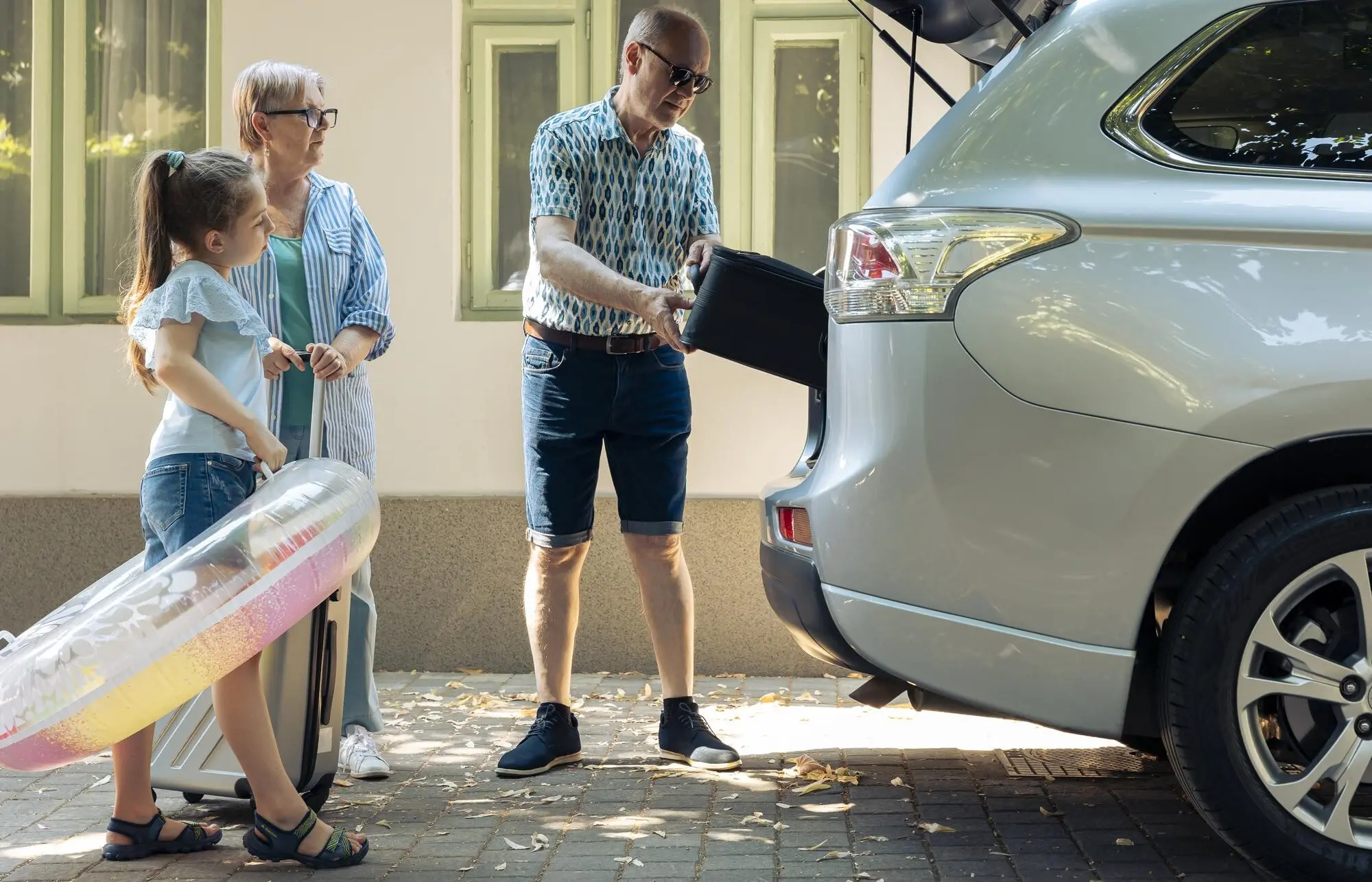
Weight matters, but organization matters more. Distribute luggage low and centered, keep only essentials on the roof, and secure loose items. Families benefit from shorter legs synced with playgrounds near chargers. Snacks, water, and podcasts transform charging interludes into welcomed rituals. Arrive with at least 10–15% state of charge, reducing stress if a favorite station is busy, temporarily offline, or briefly misbehaving.